Leading From The Heart – Foreword
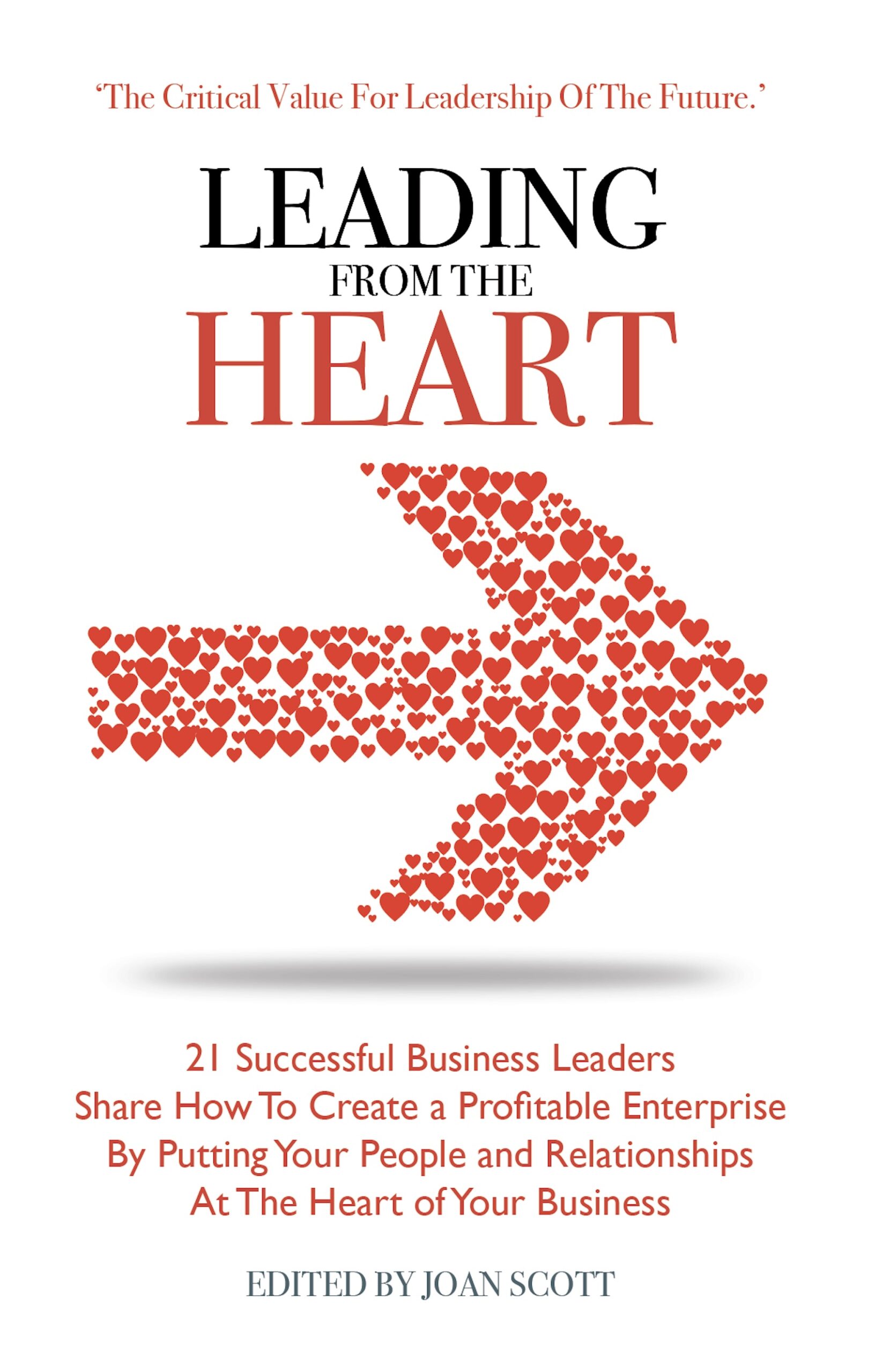
LEADING FROM THE HEART – FOREWORD BY FABIENNE GUICHON LINDHOLM
The heart-centered leader – the critical value for leadership of the future
The definition of leading from the heart is subjective to perception, but when I asked ChatGPT for a definition, it gave me this:
“This phrase often signifies a leadership style or approach emphasizing empathy, compassion, and emotional intelligence. When someone leads from the heart, they prioritize understanding and connecting with others on a personal level, fostering trust and collaboration within a team or organization.”
There is no perfect recipe for leading from the heart because leading from the heart is a compilation of many different components that one can use based on the energy of their team member. Each group has a unique way of connecting and producing together. However, we found some fundamentals across the board, which should always be adapted and customized for the unit.
People come in teams with pre-determined experiences, cultures, beliefs, likes, and dislikes. Being a heart-centered leader means discovering how the team functions.
In this book, you will find many interpretations of leading from the heart, and every single one is correct. There’s no judgment to be had; as the reader, you will find your way, connect with particular components, and develop your own philosophy of leading from the heart.
As a global learning and development executive and the author of “Unapologetically Bold – How to Regain Self-confidence Using the Transformation Cycle while Climbing the Corporate Ladder” ” in my opinion, leading from the heart should most likely involve the following.
- – Create an inclusive and safe space where everyone collaborates, helps, and understands each other while recognizing biases.
- – Having empathy and connection through creating a sphere of trust while discovering each other and being furiously curious but never judging and fostering inclusion and understanding while inviting the team to participate as much as possible.
- – Cultivating Self-Confidence by allowing the team to grow, make mistakes, catch each other, reward and celebrate wins while analyzing the pitfalls.
- – Find a common purpose and passion to strengthen the bond between the people and the company or business, keeping the big picture in mind.
- – Establish a culture of open communication without fear of retaliation and focus on discussing good ideas while setting aside the not-so-good ones.
- – By nature, we all crave for growth and knowledge. It is essential to
- offer individuals opportunities, challenges, empowerment, recognition, and value. These key factors encourage personal growth and lead to a better and more productive society.
- – Listen to understand, not to respond. Developing a culture of feedforward is crucial for facilitating a productive and collaborative team environment. Actively listening to your team without interruption is vital to understanding their needs and perspectives. By providing constructive feedback in a positive manner, we can mentor and guide the team towards achieving their goals and improving their performance.
- Last but not least, and possibly the most difficult for most leaders, is to show vulnerability.
In the following pages, you will find many concrete examples similar to the above, all shared with passion and heartfelt experiences.
The beauty and wellness industry needs to improve how it guides individuals and companies. When marketing becomes the defining factor of a company or brand, there is often a gap between how it’s portrayed and what is happening in reality.
Leading from the heart is not a concept; it is a philosophy, and it should not be defined by product market trends but by the people in the organization via HR.
Joan mentioned, at the beginning of the book, the generation gaps. For the first time, we have four generations sharing the workforce now, and each comes with a set of expectations, perceptions, and experiences, so it is time to listen and adapt to stay viable for the world and create a culture of growth, diversity, inclusion with a win-win situation for both employees and employers.
I want to thank Joan for taking this initiative to bring to light what is obvious and to drive awareness of the people’s transformation in an industry that takes care of consumers but rarely of its people.